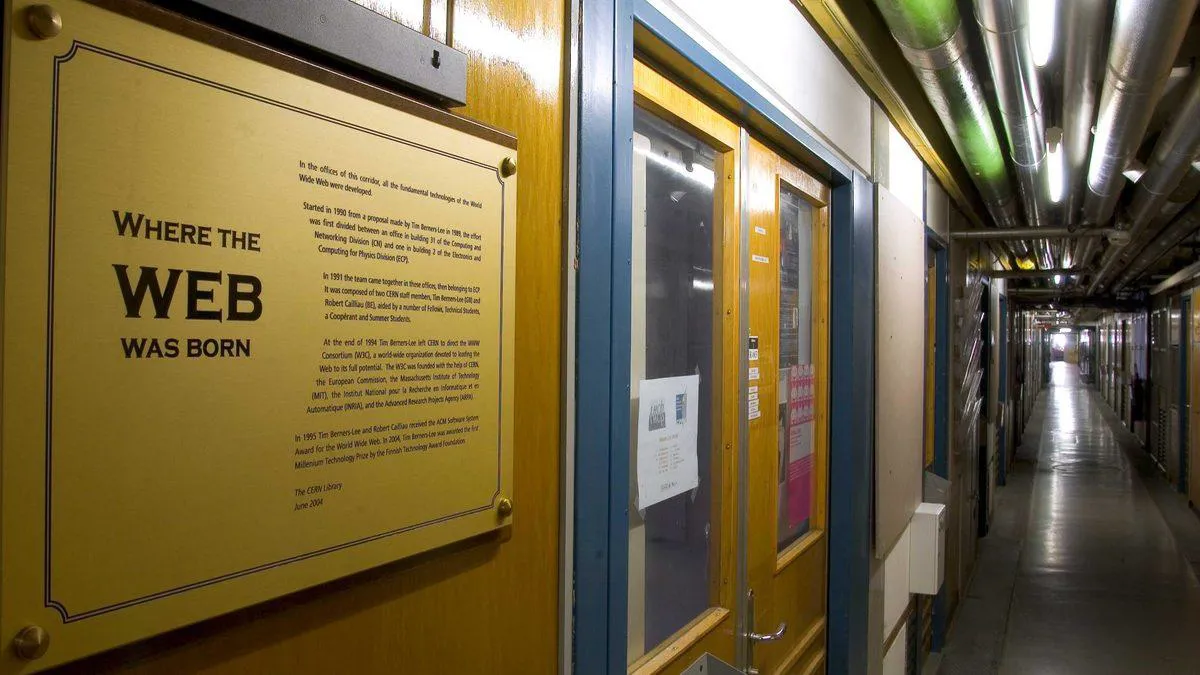
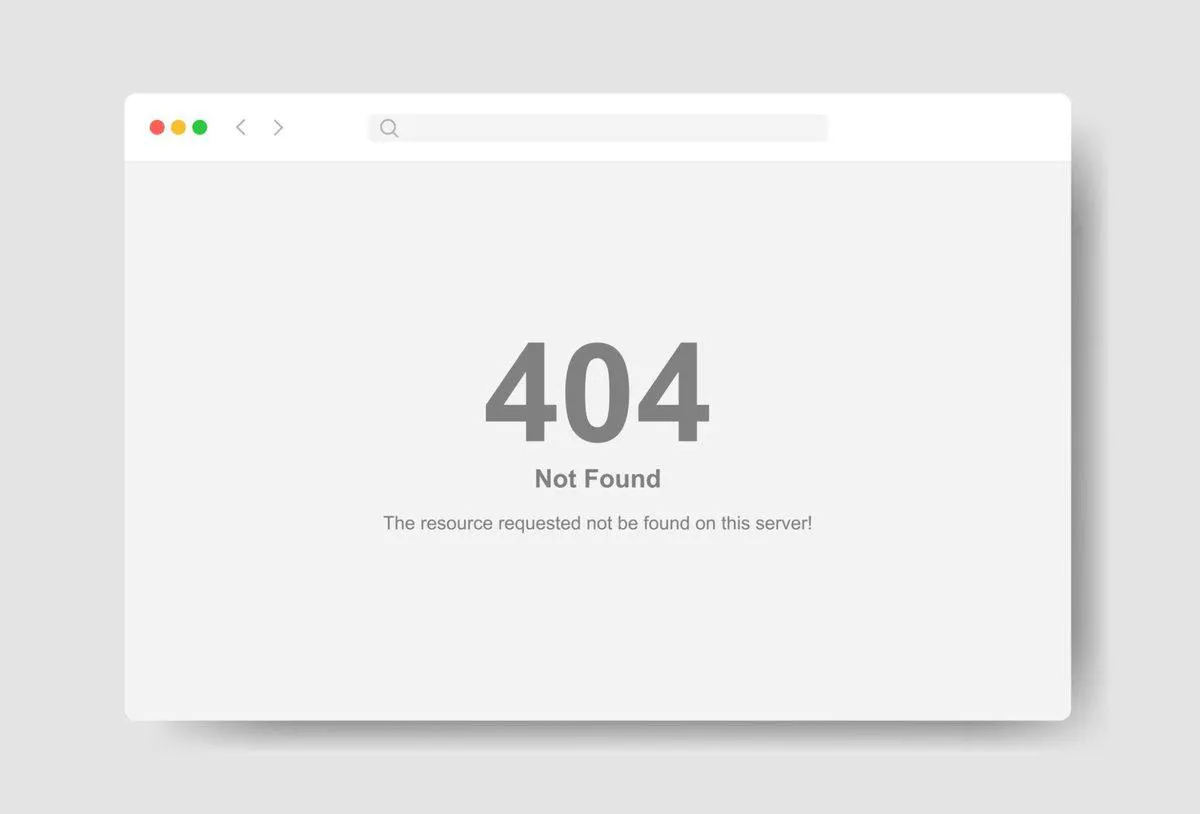
The 404 number in the "404 Not Found" error code frequently encountered on the internet is not a randomly chosen figure; it is part of the 4xx group of the HTTP protocol that classifies client errors. Contrary to the common CERN room legend, the code emerged as a standard status code defined for the "Not Found" response in HTTP standards.
The 404 number in the "404 Not Found" message that users frequently encounter when trying to open a non-existent page on the internet is not a randomly chosen figure. According to the source, this code emerged as part of the HTTP protocol's systematic status code structure and has become a recognizable symbol of internet culture over the years.
Users typically encounter this code when they enter a mistyped address, click on an old link, or when the content they want to open has been deleted. The 404 has become so widespread that many companies have started adding custom designs, games, and jokes to their error pages.
What does 404 Not Found actually mean?
When an internet address is opened, the browser sends a request to the relevant server via HTTP. The server processes this request and returns a response to the browser containing a three-digit status code.
When the operation is completed successfully, the 200 code is generally used. In cases of redirection or server-related issues, different codes may be encountered.
The 404 code indicates that the client can reach the server, but the server cannot find the requested resource. Therefore, when a 404 is seen, it should not be thought that the internet connection is completely lost; the server has responded, but the requested page is not available at that address.
This may be due to a mistyped URL. A page that previously existed may have been deleted, the link may have changed, or the content may have been moved to another address.
What does the first 4 in the 404 number indicate?
In HTTP status codes, the numbers are not chosen arbitrarily; codes are divided into specific classes based on their first digits. The 4 at the beginning of 404 indicates the group of status codes related to client errors.
This group also includes other codes such as 400 Bad Request, 401 Unauthorized, 403 Forbidden, and 429 Too Many Requests. The difference between them stems from the type of problem.
In the 403 code, the server understands the request but may not allow access to the resource. In 404, the requested resource cannot be found. The 429 code is used to indicate that too many requests have been sent in a short period.
For server-related problems, codes starting with 5 come into play. 500 Internal Server Error and 503 Service Unavailable can be shown as examples of this group.
Therefore, 404 is considered part of HTTP's systematic status code structure rather than a mysterious number chosen on its own.
So why exactly was 404 chosen?
In the early days of HTTP, status codes were organized to express different outcomes of the protocol in a standard way. The 4xx range was allocated to error conditions related to the client, and codes with different meanings were defined within this group.
According to the source, in the RFC 1945 document published in 1996 for HTTP/1.0, 404 was explicitly defined as the "Not Found" status code. The code continued to be used in later HTTP standards.
There is no separate word or hidden meaning for each digit of the 404 number here. While the first digit determines the general class of the code, the remaining digits express the defined code within that class.
Similar logic can be seen in other HTTP codes. Successful responses are grouped in 2xx, redirects in 3xx, client errors in 4xx, and server errors in 5xx. This order allows developers to evaluate the server's response programmatically without relying solely on the message text.
Is the story of room 404 at CERN true?
According to the most common story circulating on the internet about 404, the team working on the World Wide Web was located in room 404 at CERN. In different versions of the narrative, it is claimed that web servers were located in this room or that users applied to this room to get the files they wanted.
However, according to the source, there is no reliable historical evidence supporting this claim. Although the work of Tim Berners-Lee, who developed the World Wide Web at CERN, is at the center of the birth of HTTP, the narrative that the "404 Not Found" code came from room 404 at CERN has not been verified by sources on web history.
In fact, it is stated that in CERN's explanations addressing this story, it is pointed out that the room narrative is a legend.
The reason such stories spread seems understandable. While the processes of creating technical standards may seem boring to most users, a mysterious room and its number spreading across the entire internet can be much more memorable.
How did HTTP error codes come about?
The story of HTTP dates back to the early years of the World Wide Web. While working at CERN, Tim Berners-Lee was working on an information system where documents on different computers could be linked to each other via links.
For the web to work, not only HTML and URL were sufficient; a protocol that determines how the browser and server communicate was also needed. HTTP took on this task.
The first HTTP versions were much simpler than today's protocol. As the web developed, communication between the browser and server became more detailed, and it became necessary to express in a standard way whether a request was successful, redirected to another address, or failed.
Thanks to the three-digit structure, software could quickly interpret the result. Codes starting with 2 generally indicated the successful response class, those starting with 3 indicated redirects, those starting with 4 indicated error conditions related to the client, and those starting with 5 indicated server errors.
This system continues to exist today as one of the fundamental parts of the web. Users do not see most of these codes because the browser performs operations in the background. However, 404 experienced a different fate; because the situation where the requested page cannot be found directly reflects to the user, it ceased to be a technical protocol code and became an expression known to everyone.
Why don't we see 404 on every deleted page?
When an internet page is no longer available, the 404 code may not always be encountered. This is because websites can use other HTTP codes for different situations.
If a content has been moved to a new address, the server can automatically redirect the user to the new page. In permanent redirects, codes such as 301 are used for this purpose, and since the browser performs the operation automatically, the user often does not see the code itself.
It is also possible to use the 410 Gone code for a resource that has been permanently removed. The difference between it and 404 is subtle but meaningful; while 404 indicates that the server cannot find the requested resource, 410 more clearly expresses that the resource is known to have been removed.
In real websites, not every system applies this distinction with the same rigor, and many deleted contents directly return 404.
There is also a situation called "soft 404." While the page shows the user a "content not found" message, the server may technically return a 200 OK response. From the user's perspective, the page does not exist, but from the HTTP perspective, the request appears successful. This situation can also affect how search engines interpret the page.
So, the text "Page not found" on the screen and the server actually returning an HTTP 404 code do not always mean the same thing.
How did 404 become part of internet culture?
HTTP contains hundreds of different status codes, but the average internet user does not need to know most of them. 404 stands out as a big exception in this regard.
The main reason for this is that users encounter this code directly and frequently. As internet sites grow, links change, old content is removed, and incorrect addresses can be shared. As a result, 404 pages become one of the inevitable parts of the web experience.
Over time, web designers began to use the standard error message more creatively. Some sites added small games to their 404 pages, some used humorous images, and some directed visitors to the correct content with a search box or homepage link.
Thus, the expression "404" went beyond its technical meaning and even turned into a joke used in internet culture to describe things that are lost, cannot be found, or are missing.
The interesting thing is that behind this number, which is so well-known, there is no mysterious room or forgotten CERN story. The real story of 404 is much more technical; the code was born from the need of the web to classify different outcomes in an orderly and machine-understandable way.