Putting Gasoline in a Diesel Vehicle Carries a Serious Risk of Damage to the Fuel System
Filling a diesel car with gasoline reduces the fuel's lubricating properties, creating a serious risk of friction and damage in the high-pressure pump and injectors. If noticed before the engine is started, the ignition should not even be turned; otherwise, it is recommended to have the vehicle towed to a service and the fuel system cleaned.
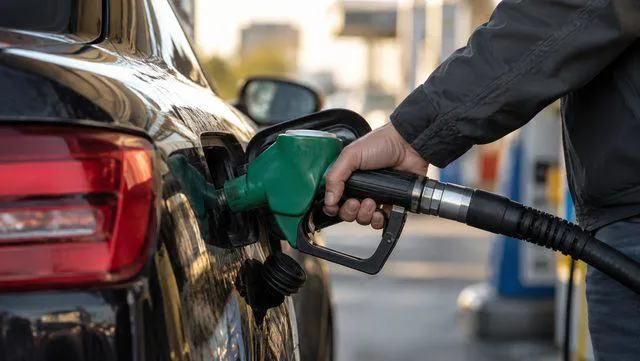
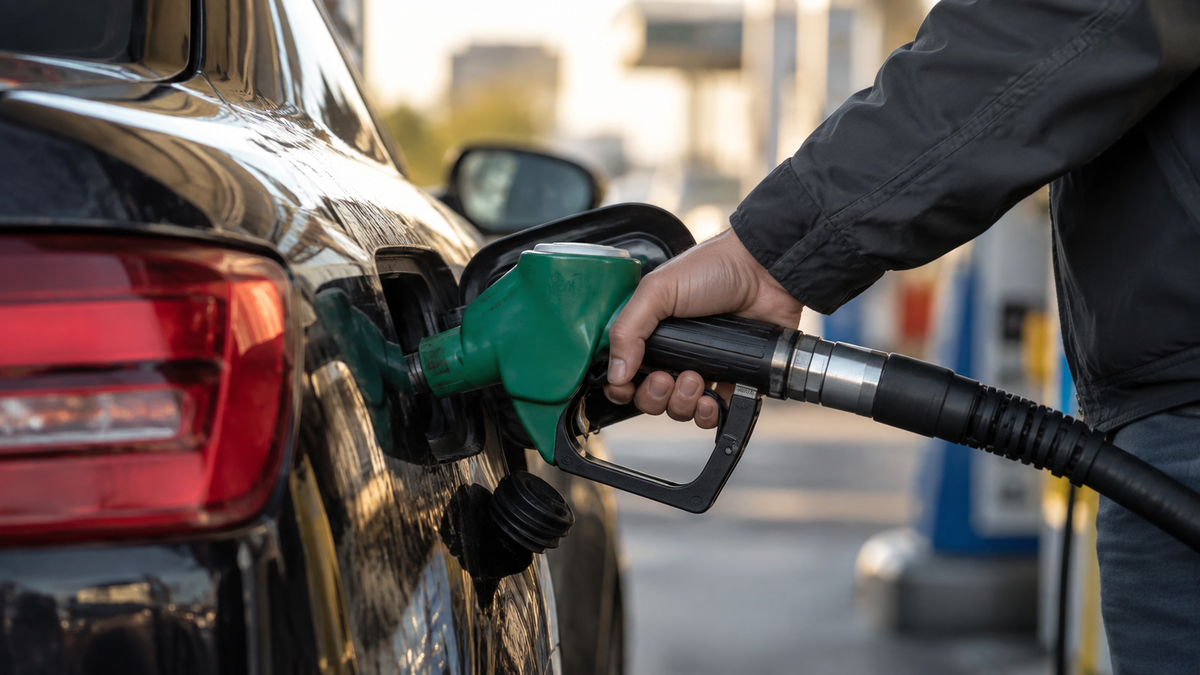
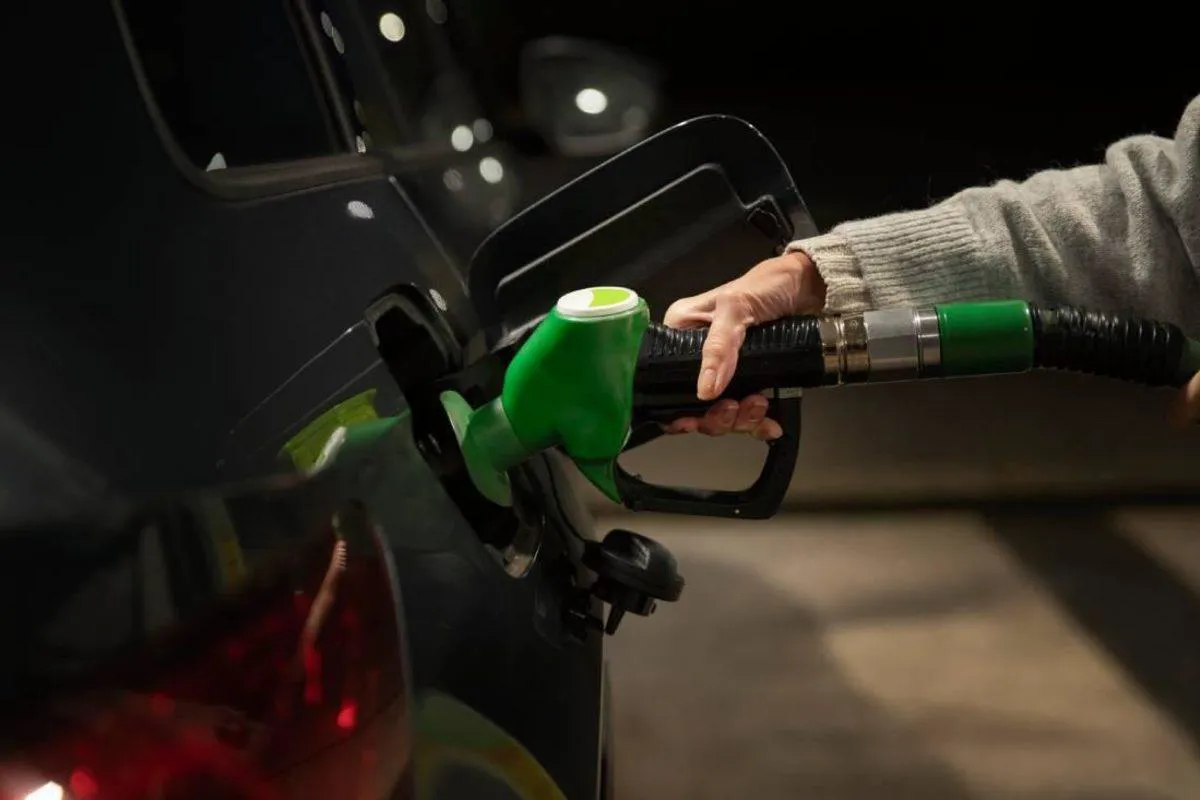
Selecting the wrong pump at a fuel station can result from a brief moment of carelessness. However, filling a diesel car with gasoline can go beyond irregular operation and lead to permanent damage to the fuel system. According to assessments on the subject, the main reason is that diesel fuel not only provides energy to the engine but also helps lubricate the moving parts in the fuel system.
How does the wrong fuel affect the fuel system?
In modern diesel vehicles, fuel passes through a high-pressure pump and precise injectors to reach the engine. The lubricating property of diesel fuel helps prevent excessive friction in these moving parts. When gasoline is added, the fuel's lubricating ability decreases; because gasoline's solvent effect can weaken the lubricating layer in the system, the pump and other components can be exposed to more friction. Therefore, the problem is explained not as the diesel engine being unable to burn gasoline, but as the wrong fuel disrupting the operating conditions of the sensitive fuel system.
What should be done if it is noticed before the engine is started?
Noticing that the wrong fuel has been filled into the tank before the engine is started is considered the most advantageous situation. Because as long as the engine is not running, the wrong fuel is prevented from circulating throughout the system and coming into prolonged contact with high-pressure parts.
According to experts, at this stage merely not starting the engine is not enough; if possible, the ignition should not be turned either. In some vehicles, when the ignition is turned, the fuel system can activate and send fuel from the tank to the fuel lines. In this case, the recommended action is to put the vehicle in neutral and call for help.
What happens if the vehicle is started?
When the ignition is turned, gasoline exits the tank and reaches the high-pressure pump and injectors. As a result, irregular operation, misfiring, knocking, and a suddenly stopping engine can be encountered.
The diesel fuel system contaminated with gasoline begins to wear down the vehicle, and the extent of damage increases as time goes on. Metal friction in the injectors and pump can spread small particles into the system. Therefore, simply draining the tank may not be sufficient; the entire system may need to be renewed.
Does the amount of gasoline matter?
In assessments on the subject, it is stated that even a small amount of gasoline carries a risk. According to some sources, even 5 liters of gasoline can be enough to cause serious damage to the engine when the vehicle is started.
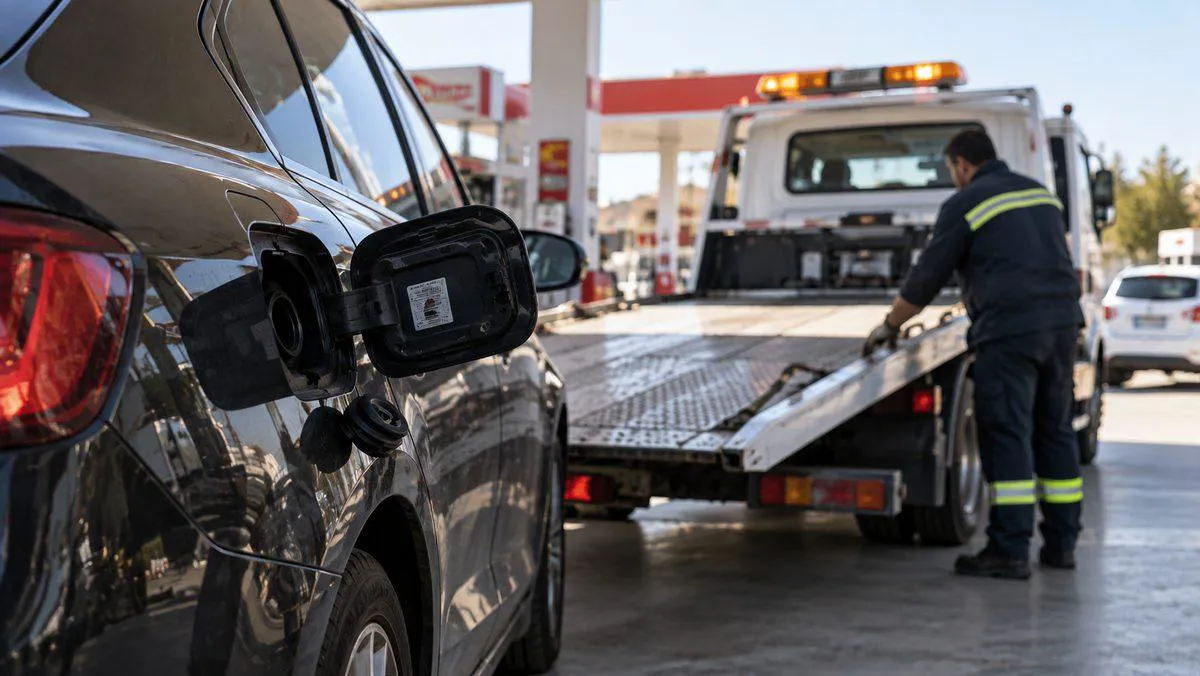
Relying on the diesel in the tank and adding fuel on top to try to dilute the mixture is not seen as a reliable method. In this case, the recommendation is to have the vehicle towed to a reliable service, drain the tank, and if necessary, clean the fuel lines and filters of gasoline residue.
If the vehicle has been started, it is advised to turn off the engine in a safe place and not start it again. It is stated that potential damage can be minimized by having the vehicle towed to the nearest service and performing the necessary maintenance.